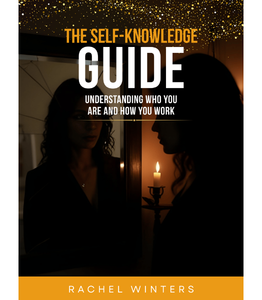
The Self-Knowledge Guide
Why This Book Is Listed
Selected for its layered, systematic approach to self-knowledge — working through values, thinking patterns, emotional tendencies, and core beliefs in a way that is practical rather than therapeutic and grounded rather than motivational.
At a Glance
Category: Entrepreneurial Mindset
Type: Practical guide
Approach: Structured, research-backed
Reading Style: Reflective, comprehensive
Short Description
A structured guide to building genuine self-awareness through honest examination of your values, thinking patterns, emotional defaults, and blind spots.
What You'll Learn
- How to identify your genuine values — not inherited ones — and close the gap between stated and lived priorities
- Understanding your characteristic thinking patterns, cognitive biases, and the stories your mind adds to events
- Recognising your emotional triggers, defaults, and habitual strategies for handling difficult feelings
- Identifying the core beliefs driving your recurring patterns — and how to begin updating them
- How to surface your genuine strengths and the blind spots that tend to accompany them
- Building a sustainable practice of honest self-reflection that compounds over time
Who This Book Is For
This book is a good fit if you:
- Sense you are operating on autopilot and want more clarity about what is actually driving your decisions
- Keep repeating the same patterns in relationships or work without understanding why
- Want to make better decisions but find that knowing what you value is harder than it sounds
- Have strong emotional reactions that sometimes surprise you and want to understand them better
- Prefer honest, structured self-examination over motivational content or personality labels
- Are building a business or career and recognise that understanding yourself is foundational to leading others well
Full Description
Most people believe they know themselves reasonably well — until a decision backfires, a pattern repeats for the fourth time, or a relationship dynamic plays out exactly as it has before. The uncomfortable truth is that thinking you know yourself and actually knowing yourself are two very different things. Much of what drives behaviour happens below conscious awareness: in automatic responses, inherited beliefs, and emotional defaults that feel like facts rather than interpretations. Without examining these layers, it is difficult to make decisions that genuinely reflect your values, communicate in ways that land as intended, or understand why the same difficulties keep finding you.
This guide works through the key dimensions of self-knowledge in a structured, layer-by-layer way. It covers how to identify your genuine values — not the ones you aspire to, but the ones your behaviour reveals — along with the thinking patterns and cognitive biases that shape your judgements, the emotional landscape that colours how you interpret events, and the core beliefs running quietly in the background of every significant decision. Each chapter includes reflection prompts designed to move you from reading to genuine self-examination, with an emphasis on honesty over comfort.
The result is not a fixed personality profile or a list of things to fix. It is a clearer, more accurate picture of how you actually operate — one you can use. People who understand themselves with this kind of clarity make fewer decisions they later regret, navigate conflict more deliberately, recognise their stress patterns before they cause damage, and show up in their work and relationships with greater consistency between intention and impact. Self-knowledge of this depth is one of the most practical investments available — and this guide provides a structured path to building it.