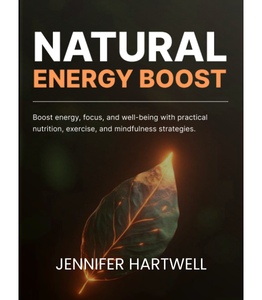
Natural Energy Boost
Target Reader
For driven professionals and high-performers experiencing burnout or chronic fatigue who want sustainable natural energy—replacing quick-fix stimulants with science-backed strategies that address root causes.
Why This Book Is Listed
Selected for providing comprehensive, science-backed strategies that optimize cellular energy production naturally—offering sustainable vitality through nutrition, exercise, sleep, and stress management rather than dependence on coffee, energy drinks, or artificial stimulants.
At a Glance
Category: Health & Wellness
Type: Comprehensive energy optimization guide
Approach: Science-backed and holistic
Reading Style: Practical and evidence-based
Short Description
A science-backed guide to transforming energy levels through cellular optimization—covering ATP production, strategic nutrition timing, exercise protocols, sleep quality enhancement, stress management, and natural supplements for sustained vitality without stimulants.
What You'll Learn
- Understand your body's cellular powerhouse—how mitochondria produce ATP and what factors dramatically impact your energy capacity
- Optimize nutrition through strategic meal timing and macronutrient balance that maintains stable blood sugar without crashes
- Harness exercise for energy production—protocols that increase mitochondrial density and improve oxygen delivery beyond just burning calories
- Enhance sleep quality through circadian rhythm alignment and optimization strategies that enable cellular repair and regeneration
- Manage stress effectively to prevent cortisol-induced energy depletion—techniques proven to reduce perceived stress 40%
- Use adaptogenic supplements strategically—natural options that enhance energy production without creating dependency or crashes
Who This Book Is For
This book is a good fit if you:
- Experience burnout, chronic fatigue, or afternoon crashes affecting productivity and achievement
- Rely on quick fixes like excessive coffee or energy drinks creating dependency and subsequent crashes
- Want science-backed strategies that fit demanding schedules without complicated protocols or gym memberships
- Are health-conscious and prefer addressing root causes rather than masking symptoms with artificial stimulants
- Experience age-related energy decline and want to optimize mitochondrial function and cellular health
- Recognize stress drains energy through chronic cortisol elevation and need effective management techniques
- Understand sustainable energy requires holistic integration—nutrition, exercise, sleep, stress management, potential supplements—not single quick fixes
Full Description
You wake up already exhausted. You need multiple coffees just to function. By mid-afternoon, you're fighting to keep your eyes open despite looming deadlines. You've tried energy drinks, supplements, more caffeine—they work temporarily but leave you feeling worse later. You're stuck in a cycle of artificial stimulation and inevitable crashes, wondering if chronic fatigue is just your reality now. This guide reveals a better path: accessing your body's natural energy reserves through science-backed strategies that transform vitality from inside out. Studies show adopting holistic energy approaches increases productivity 40% and improves overall well-being 60%—not mere statistics but meaningful life-changing transformations that high-performers across industries use to achieve competitive edge.
There's a section dedicated to understanding cellular energy production—how your mitochondria create ATP (the energy currency powering everything), what factors dramatically impact this process (diet, hydration, sleep, exercise, stress), and why different macronutrients contribute uniquely to sustained vitality. You'll discover strategic nutrition approaches including meal timing that maintains stable blood sugar, foods that provide steady energy without spikes and crashes, and how micronutrients facilitate the complex energy production process. Another section reveals exercise protocols that don't just burn calories but actually increase your cellular powerhouses—specific types of training proven to boost mitochondrial density and improve oxygen delivery significantly. The guide goes deep into sleep optimization strategies that enable cellular repair, stress management techniques that prevent cortisol-induced energy depletion, and how to align with your circadian rhythm for natural sustained vitality.
What makes this transformative is the holistic integration. You're not relying on a single intervention but creating a comprehensive energy ecosystem. Learn about adaptogenic supplements that enhance energy production naturally without dependency, how to structure daily routines that maximize productivity during peak energy periods, and advanced strategies for maintaining consistent vitality despite demanding schedules. Transform from chronically exhausted to sustainably energized. From relying on artificial stimulants to fueling yourself naturally. From afternoon crashes to steady focus all day. From brain fog to mental clarity that drives achievement. You'll leave behind burnout and chronic fatigue while welcoming the clarity, focus, and lasting energy that lets you become your best self in business and life—all without sacrificing health or creating dependencies on quick fixes that fail long-term.