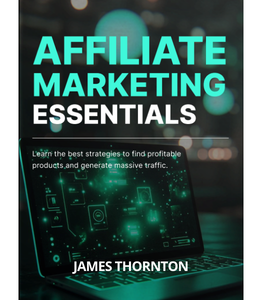
Affiliate Marketing Essentials
Affiliate marketing represents the online business model with lowest barriers to entry that anyone can learn and master, potentially becoming one of most profitable business models online—certainly much more profitable than blogging for AdSense revenue. Understanding realistic expectations: during Affiliate Summit over 1,800 affiliate marketers answered survey describing methods and earnings revealing only 46% earned less than $20K while 8% earned over $1 million annually, demonstrating this business model's genuine profit potential beyond exaggerated claims from private yacht promoters and pimped-out office billionaires. The truth about affiliate marketing lifestyle: success requires building audiences, creating content, advertising products, and investing significant time before seeing substantial returns—not overnight riches but legitimate opportunity to supplement income doing something you love, eventually building toward full-time passive income through consistent effort and smart strategies.
Master affiliate marketing mechanics through Chapter 2 understanding how affiliate marketing actually works: joining affiliate programs (networks like ClickBank, JVZoo, WarriorPlus for digital products; Amazon Associates, ShareASale for physical products; service/membership programs offering recurring commissions), receiving unique tracking links, promoting products through various channels, earning commissions when visitors click links and make purchases. Learn types of affiliate programs and choosing best products: digital products offering 50-75% commission rates versus physical products offering 4-8% but wider audience appeal, service/membership programs providing recurring revenue streams, considering factors including sales volume data, commission amounts per sale, marketing angles for audience appeal, free marketing materials availability (landing pages, blog posts, email autoresponder sequences provided by product creators). Understand big niche versus little niche strategies: targeting smaller specific industries solving particular problems when starting with limited PPC budget, then reinvesting earnings to saturate larger markets; recognizing why digital product creators give away high profit percentages (no production costs, automated delivery, infinite scalability making high commission splits profitable). Implement beginner strategy fundamentals: don't reinvent the wheel by choosing digital products with proven sales records, copying exact business models benefiting from proven success, scaling through rinse-and-repeat methodology once initial system works.
Create compelling sales pages through Chapter 3 mastering sales page layout and scripting: grabbing attention with powerful headlines addressing pain points or desires, maintaining flow and strategic break points keeping readers engaged through pattern interrupts and curiosity loops, appealing to authority and statistics building credibility through expert endorsements and data-driven proof, communicating clear value propositions explaining exactly what customers receive and why it matters, creating urgency through limited-time offers or scarcity tactics encouraging immediate action, removing risk with money-back guarantees and testimonials reducing purchase hesitation. Utilize diverse platforms through Chapter 4 including blog posts (SEO-optimized content naturally incorporating affiliate links), email marketing (building subscriber lists delivering value-driven sequences with strategic product promotions), affiliate marketing in person (leveraging existing relationships and networks), using your existing routes to market (established audiences on social media, YouTube channels, podcasts), and influencer marketing (partnering with content creators reaching target demographics). Implement Chapter 5's content marketing strategies understanding content marketing power: creating valuable content attracting organic traffic building trust before promotional pitches, utilizing SEO driving long-term sustainable traffic without ongoing advertising costs, establishing authority positioning as trusted resource rather than pushy salesperson. Master PPC advertising: Google Ads targeting high-intent keywords, Facebook Ads leveraging detailed demographic targeting, understanding cost-per-click economics ensuring profitable customer acquisition, A/B testing ad copy and landing pages optimizing conversion rates, carefully selecting products with targeting ease considering how easily you can reach specific demographics through paid advertising.